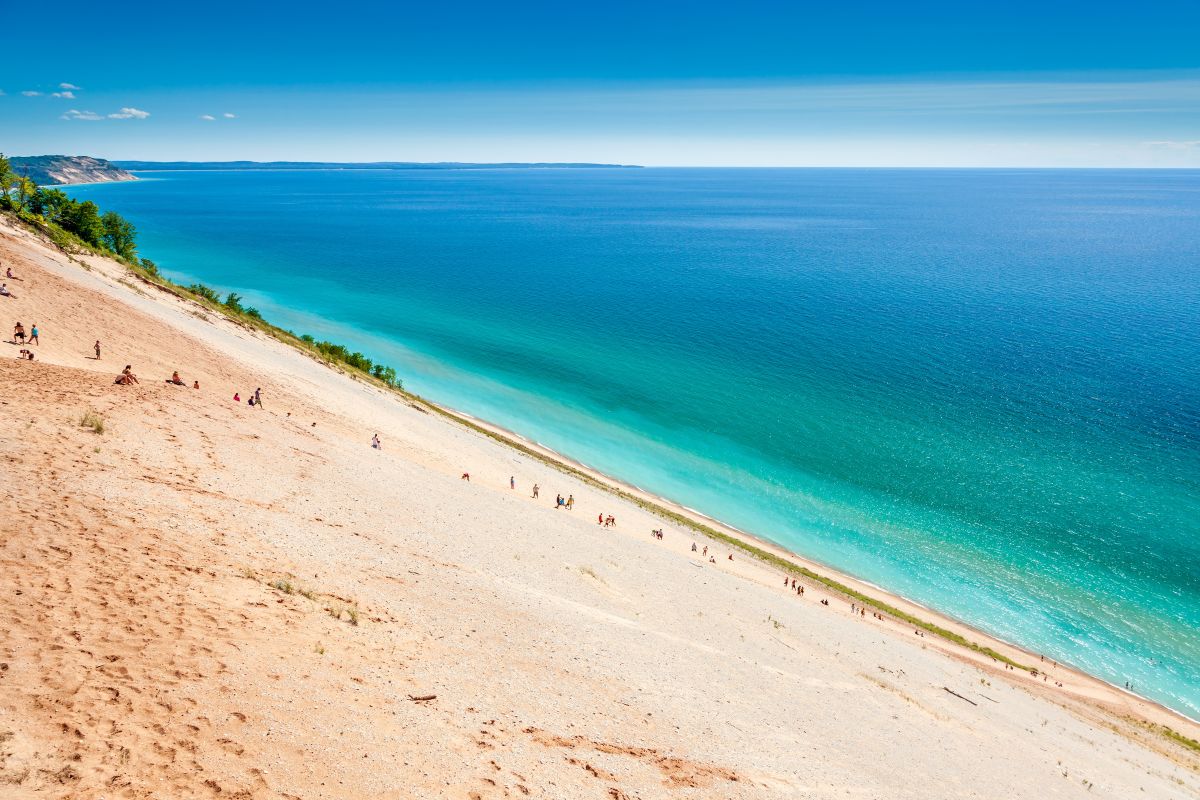
Michigan is known as the Great Lakes State, thanks to the large freshwater bodies surrounding it. Water is the most well-known and precious resource, as well as the largest attraction and source of refreshment when summer rolls around. But all that sand and the state’s prehistoric past means it’s also home to the largest collection of freshwater dunes in the world, which are featured along several areas of shoreline on a couple of the Great Lakes.
This essential guide will list the locations of this natural wonder, which are often free or low cost to visit (if they reside within a state park or national lakeshore, there is a vehicle entrance fee).
Where to Go
Upper Peninsula, Grand Sable Dunes, Munising: The area is best known for its waterfalls and Pictured Rocks National Lakeshore. Of the many places worth visiting within the national lakeshore is the Grand Sable Dunes, situated 300 feet above Lake Superior. Access is limited because much of the dune area is preserved and the vegetation is fragile. The three points at which you can see the dunes are from the trail beginning at the Sable Falls parking lot (less than a mile out and back), from the North Country Trail near the Log Slide, and off of Grand Sable Lake along H-58 (which requires some dune climbing).
Nearby campground: Jack Pine Lodge and Campground
Northwest Michigan, Sleeping Bear Dunes National Lakeshore, Empire: A short drive from Cherry Capital of the World, Traverse City, is Sleeping Bear Dunes. When you pull up to the Dune Climb, it’s common to be amazed by the expanse of sand before you. There are miles of hiking trails to choose from, expansive views of Lake Michigan from a height, and beautiful beaches at which to relax along 65 miles of pristine shoreline. You can also take the paved Sleeping Bear Heritage Trail, a multi-use pathway that runs between the north end of the park to south of the nearest small town, Empire. Motorists will enjoy taking the seven-mile Pierce Stocking Drive.
Nearby campgrounds: Indigo Bluffs & Leelanau Pines Lakeside Camping Resort
Northwest Michigan, Arcadia Dunes, Arcadia: This large preserve has more than 15 miles of trails that wind through multiple landscapes and habitats. The most popular is the Overlook Trail, which is universally accessible via the Baldy parking lot. In the spring, try the short hike to see fresh flowers on Pete’s Woods. The Baldy Trails feature views of Lake Michigan below.
Nearby campgrounds: Kampvilla Park
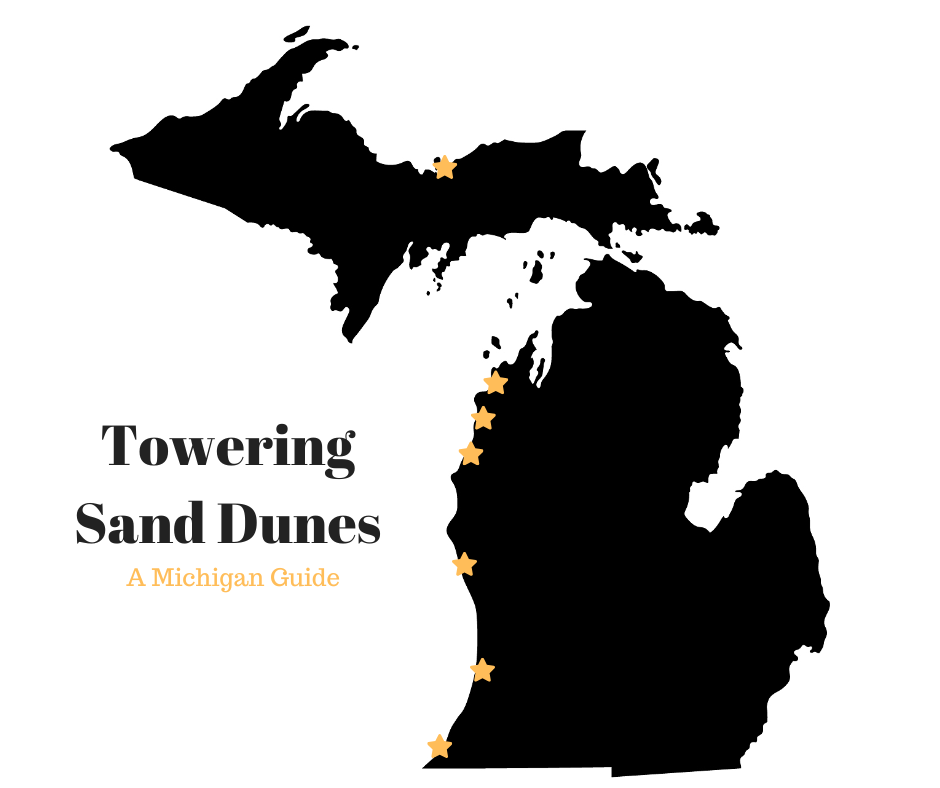
Northwest Michigan, Nordhouse Dunes, Free Soil: Located with the Huron-Manistee National Forest, Nordhouse Dunes has dunes that are 4000 years old. A unique feature is its “wilderness” status, the only one in the Lower Peninsula, which means no wheeled or motorized vehicles are allowed. This keeps the area even more tranquil. The best trail for the dunes is the Nordhouse Dunes Trail, which is 1.4 miles long. There are 14.5 miles of trails within the area; Nurnberg Trail is one of the most popular. Parking is limited, so bring the toad or tow vehicle.
Nearby campgrounds: Poncho’s Pond RV Park & Vacation Station RV Resort
Southwest Michigan, Silver Lake Sand Dunes, Hart/Mears/Pentwater: If you have a taste for adventure, then visit Silver Lake Sand Dunes. The main attraction here is slapping on an ORV sticker to your vehicle to traverse the dunes yourself, or you can go on a dune ride with Mac Wood’s Dune Rides. After a hot, sandy ride, it’s time to hit the beach or go on a pleasant bike ride along the paved (22 mile) William Field Memorial Hart-Montague Bike Trail State Park.
Nearby campgrounds: Woodland Shores RV Resort & Dune Harbor Family Camp & Sun Retreats Silver Lake
Southwest Michigan, Saugatuck Dunes State Park, Saugatuck: Enjoy the breeze of Lake Michigan within this state park, which also features rolling terrain and lovely coastal dunes. There are several beach trails; the shortest one is Beach Trail, which is three-quarters of a mile out and back. The town of Saugatuck is a haven for art and antiques, so have some fun perusing the various shops and studios while you’re in town.
Nearby campgrounds: Singing Sands RV Resort
Southwest Michigan, Warren Dunes State Park, Sawyer: Some of the prettiest shoreline in Michigan, Warren Dunes State Park is within easy reach of metro Chicago. There are forested dunes, large open dunes, and spectacular views as some dunes rise 260 feet above Lake Michigan. Walk along the beach or take a hike on the state park’s network of trails.
Gear to Bring
Dunes are beautiful, magnificent works of nature, but they are similar to a desert environment. Safety and preparation are important if you plan to visit. You should always let somebody know your plans, especially if you are going by yourself.
As for gear, bring water, sunscreen, sun protection, high-protein snacks, and adequate footwear. Since many dunes are fragile environments or home to endangered or protected species, pay attention to signs and adhere to them; stay on marked trails rather than deviating off of them in order to protect the environment.
Traversing dunes can be a hearty workout for muscles, lungs, and hearts, so know your limits, take a rest when you need it, and take your time.
If You Want to Know More
There are different types of dunes and dune systems. The Michigan DNR provides a complete resource if your interest is piqued: https://www.michigan.gov/egle/about/organization/water-resources/sand-dunes.