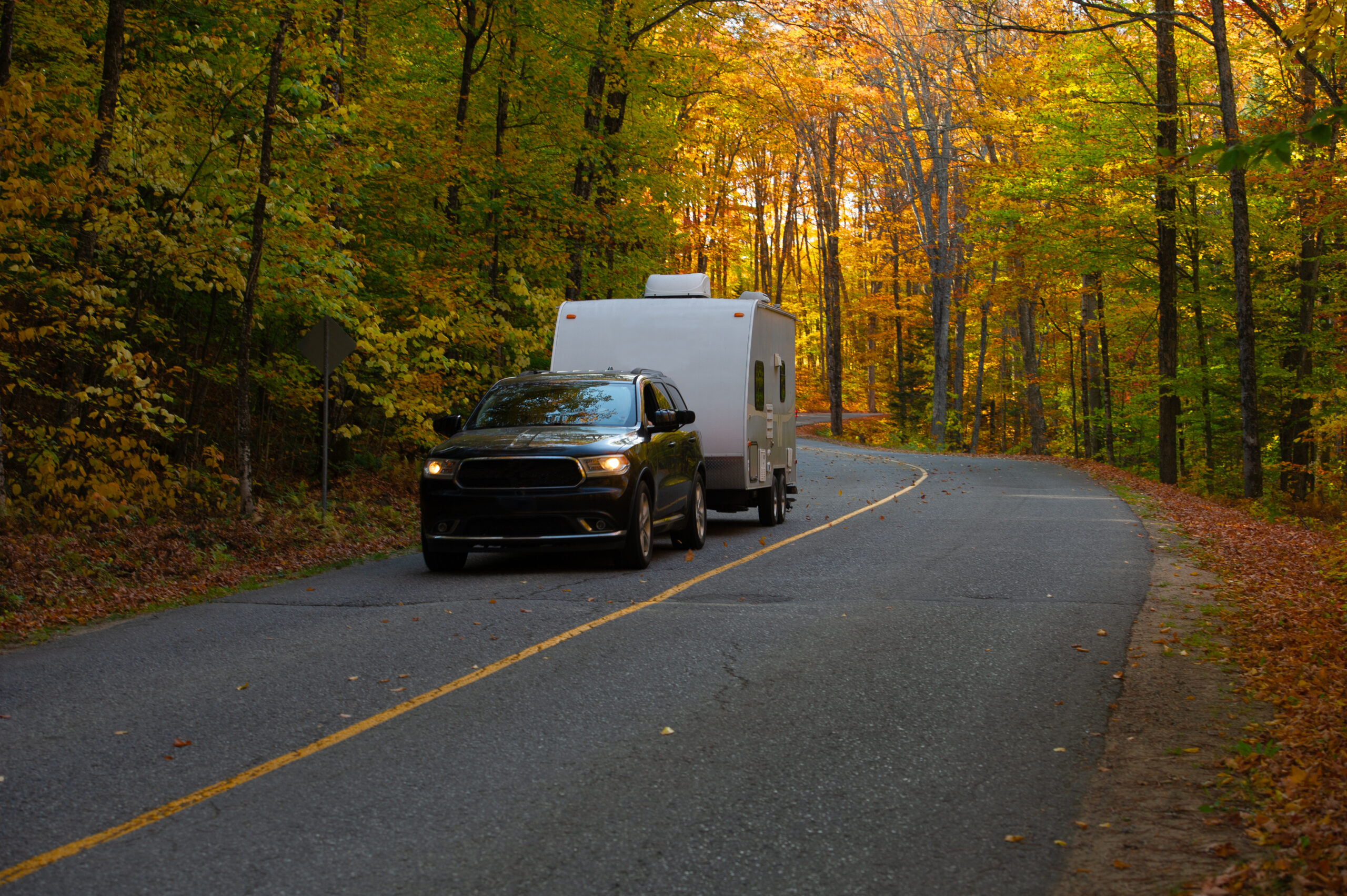
Choosing the right site for your RV begins with research, especially if it’s a new campground or if you have a new-to-you RV. During your research, confirm whether a site can accommodate your RV, whether a campground has the amenities and utilities that you need, whether the site will provide you with a positive camping experience, and whether the route to and around the campground is okay for traveling through with an RV.
Keep the entire package in mind.
The site will need to accommodate not just the RV, but any vehicles and gear as well. If you plan to bring a small fishing boat, that needs to fit. If you plan to tow a 30-foot travel trailer with a truck with an extra long bed, that needs to fit. When you’re visiting campground websites and looking at the specs of the sites, keep everything you have in mind as you judge your decision.
Decide on your hookup and utility needs.
What do you want or need while you’re living in your RV? Well, that depends on a lot of things: How long are you planning to camp? Does your RV have the resources to go without connected utilities, and for how long? Will you be spending a lot of time at the site or only to sleep after a full day of activity? Do you want to save on those costs occasionally? Do you need a campground that offers full hookups? Do you need a pull-through site? Answering these questions will help you home in on the best type of campground for you for the trip at hand.
Examine the specific site online.
Most campgrounds (private and state), RV parks, and RV resorts offer comprehensive information about their sites, including photos, so that you can have a pretty good idea of what to expect. However, if the online photos or descriptions feel inadequate, you can always call the campground directly to talk through your setup and any concerns. Also, check out the website Campendium, a free site that offers lots of information on lots of camping spots in your desired location.
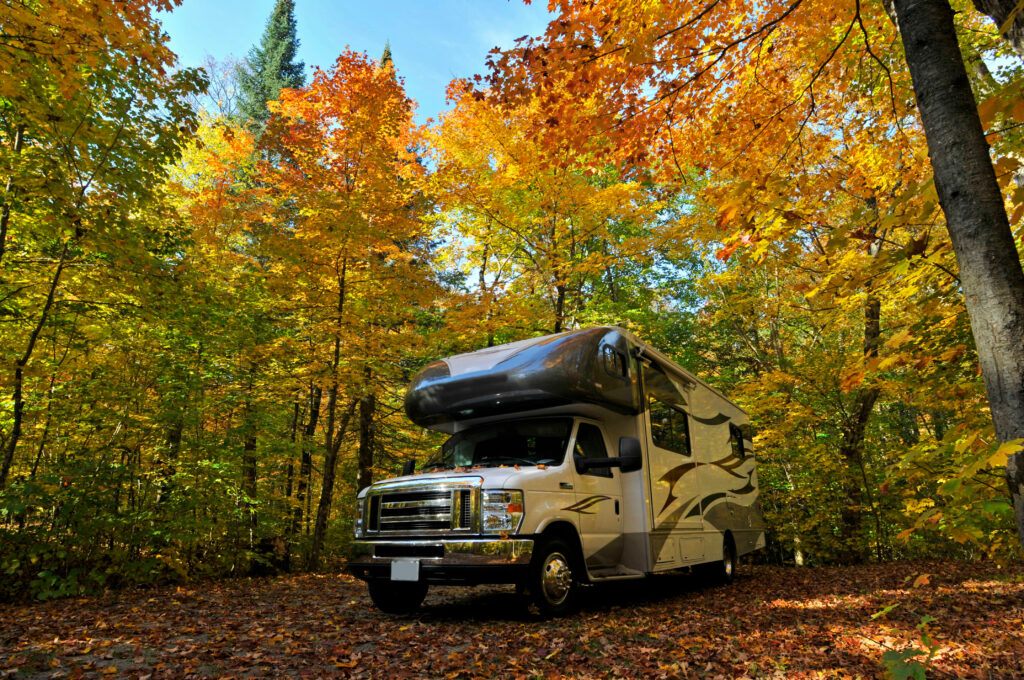
Learn from previous experiences.
The big advantage to something like Campendium and other RV- or camping-related online forums, is the social aspect. People leave reviews and feedback that may be helpful for you. Look for comments related to safety, cleanliness, Wi-Fi, friendliness of the staff, and operation of any facilities or amenities that campground may offer.
Check clearances.
Along your route and within your proposed campground of choice. Look for turns, foliage, and narrow roads that lead in and around the campground that could pose a problem for your RV’s size.
Avoid environmental hazards.
Some examples of things you may encounter at your site include uneven ground, low spots that could collect standing water, poorly placed utility hookups that could interfere with slideouts, and low-hanging branches. Keep in mind that photos may not show everything and could be outdated.
Consider privacy and space.
You go RVing to explore as well as to unwind. While you’re at the campsite, how important are privacy and space? These impact your overall experience. When viewing a potential site, is the site orientation consistent with giving you a beautiful view from your main window, or the neighbor next door? Are there any natural divisions between sites to add more privacy? How packed of a campground is it? Are you surrounded by nature or going to learn to be best buddies with the campers at the next site? It depends on your overall goals. Whether you love the community aspect and don’t mind more people or would prefer more privacy, there’s a site out there that fits your comfort level.