When you embark on RV ownership, there is a learning curve – the lingo, the routine, the care of your particular unit. There will be questions. One of the biggest mistakes you can make is not asking a question, even if you think it’s “dumb” to ask. For the health and welfare of your RV unit, its systems, and its occupants, asking questions is imperative. You won’t know or understand everything at once or even the first time you encounter it. Don’t simply turn to the internet, branch out and learn from the experience of others to avoid mistakes. They make also be able to provide you with advice to make your life easier.
Q: Other than the cost of the RV unit, what other costs might I incur by embarking on RV ownership?
A: When you purchase an RV, it’s not only the unit itself you’ll need to budget for. Other potential expenses include accessories such as a surge protector, chocks, leveling blocks, items to manage utilities (such as hoses), extension cords, hitch and towing accessories (if you have a towable RV), etc. Many of these items are non-negotiable and should be purchased at the time of you purchase your RV with the direction of your sales representative. There are other financial obligations: you’ll need to pay for insurance coverage as well as figure out a storage solution for the off-season, which may incur an additional cost.
And don’t forget about routine maintenance. All RVs require some upkeep during the year, as well as at particular milestones. Older RVs may need a little more attention. Don’t neglect basic maintenance tasks, even if they feel mundane or cumbersome, such as tire pressure checks, seal inspections, and oil changes. Stay ahead of the curve and you’ll avoid lots of problems, headaches, and money.
It’s a good idea to create a dedicated fund from which you can draw for regular maintenance as well as emergencies. There will be surprises.
Q: Will a regular car dealership or maintenance shop be able to work on my RV if I end up in trouble somewhere on the road?
A: RVs are specialized machines. Motorized RVs may have an engine, which an auto repair shop may be able to assist with, but they also have many complex systems that only an RV repair shop will be able to understand, troubleshoot, and fix. Look for a certified RV shop, such as one with mechanics certified by RVTI, and one that offers warranties on their work.
Thanks to the internet and the wide collection of RV forums, you can receive local advice from fellow RVers, read shop reviews, and find the contact information of any shop you’re considering so that you can start the conversation.
It pays off to find a quality, experienced RV mechanic, because the longevity of your trailer or rig depends on it.
Q: Is Google Maps or Siri good enough, or should I look into another app or service?
A: We all love and use Google Maps and Siri, but look on any RV forum and there are tales of being surprised – and not in a good way. As wonderful as it is for navigating your standard vehicle, there are RV-specific services and apps that do all that plus factor in your RV.
First, there are RV-specific GPS units that you can mount to your RV or tow vehicle that will help offer this guidance.
There are also some apps that RVers turn to during their travel days: RV Life Trip Wizard, RV Life RV Safe GPS, Copilot GPS, and the All Stays app are popular choices. Do some research, try some out, and then decide which one (or more than one) you want to utilize.
Q: Is it necessary to have an outdoor rug in front of the RV? It seems like one more item to remember to bring, and one more item to clean.
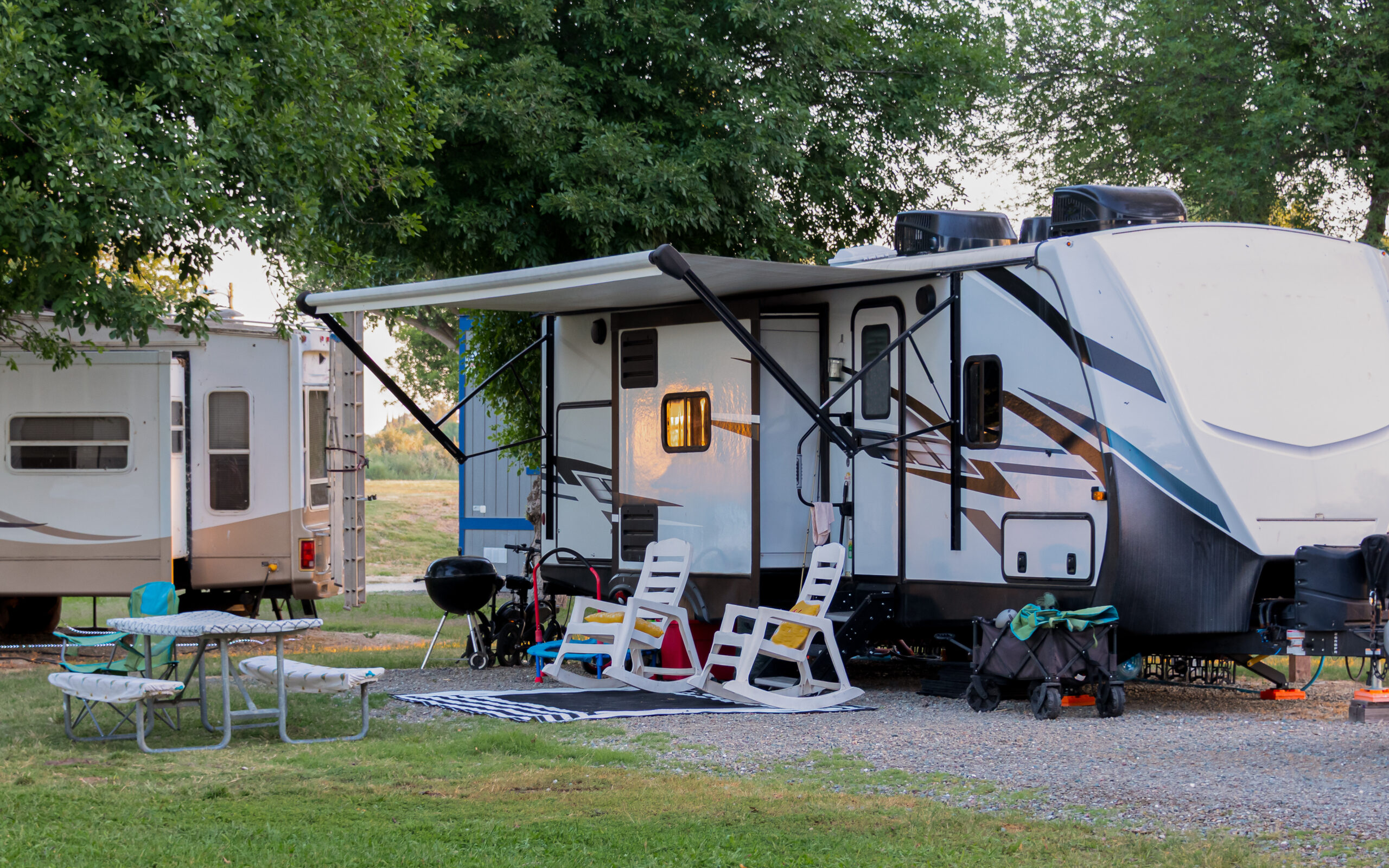
A: An outdoor area rug is a necessity for the majority of RVers for two main reasons: First, it helps to capture dirt and sand so that less of it enters the RV. Second, it creates a dedicated outdoor living space, sort of like a front porch, where you can set a couple chairs and have a conversation outside the confines of the RV. Plus, it’s a chance to show a little personality.
Choose an outdoor rug that is easy to sweep as well as easy to spray with a hose (when it needs a good cleaning). Placing stakes at the corners to keep it in place at the campsite is utilized by many RVers as well.
Q: Are checklists really necessary?
A: List-makers, rejoice! RV life is full of checklists: packing, site set-up, site tear-down, end of the season winterization. These handy tools are there to help streamline your RV life and its associated chores. They help to reduce frustration and better ensure your RV’s long-term integrity. If you are not a list-maker, it may be time to become one. Whether you have a checklist on your phone or a laminated sheet on which to make a physical checkmark, it’s important to use these inexpensive tools because there can be distractions that can derail your thought process. If you end up forgetting something essential, you could inadvertently cause damage to your RV or find yourself in an unpleasant (sometimes expensive) situation.